Farm Ponds
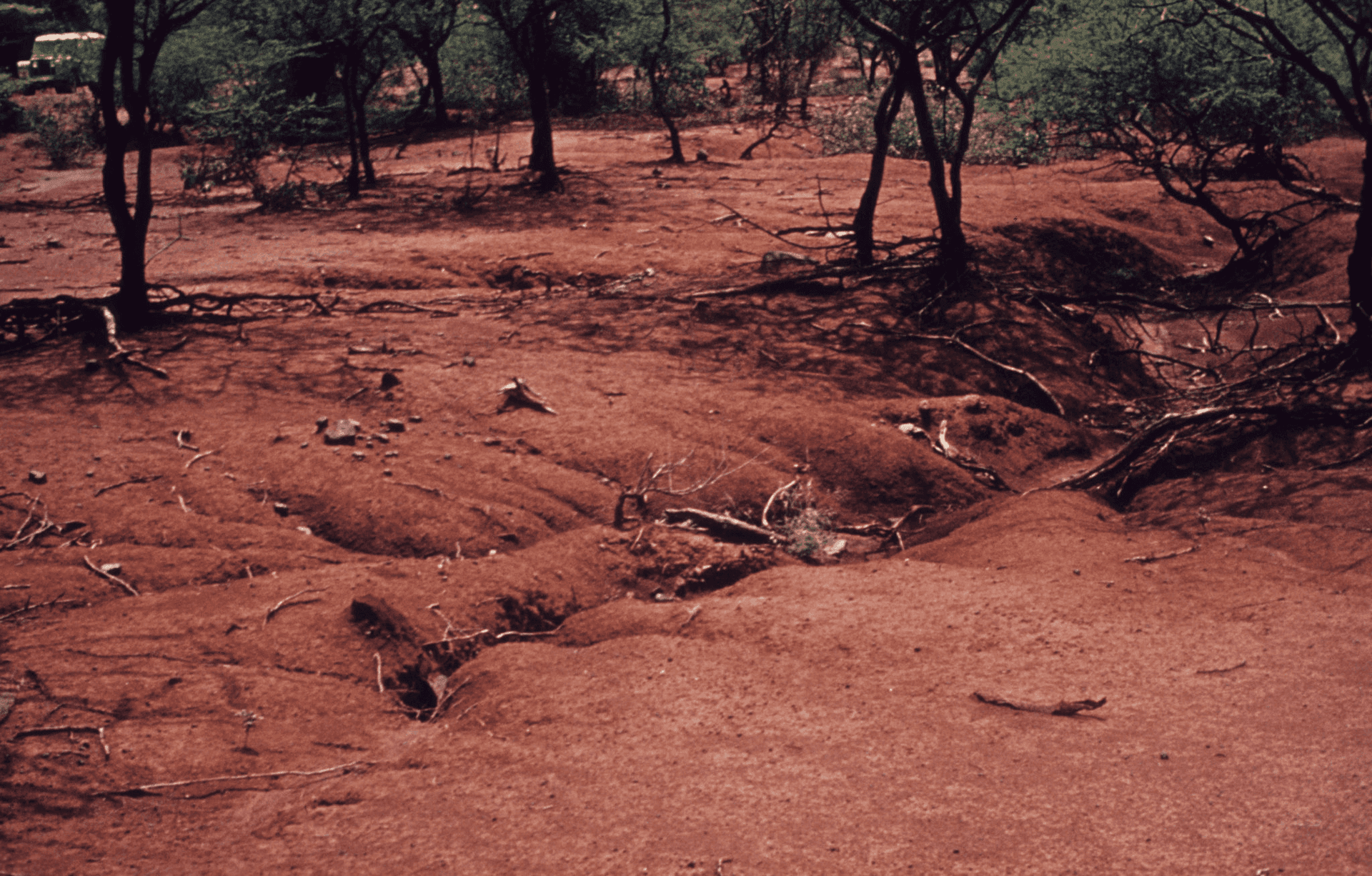
In parts of Kenya, erosion and desertification mean that trees have little chance of survival. Yet during the dry seasons, over a period of around 18 months, a young tree needs about 60 to 80 rounds of watering, or it will wither. But where does that water come from when there is hardly any to begin with?
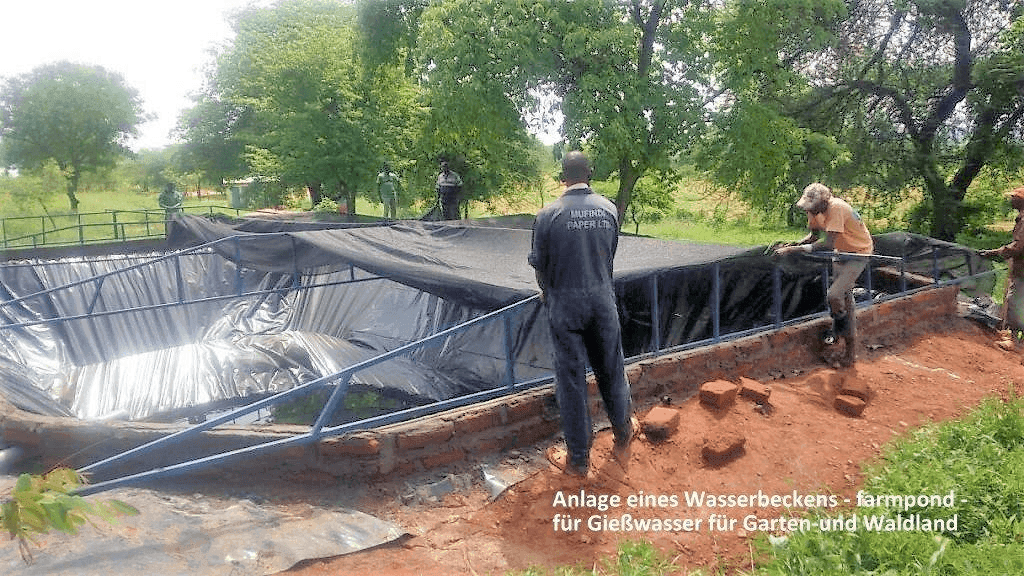
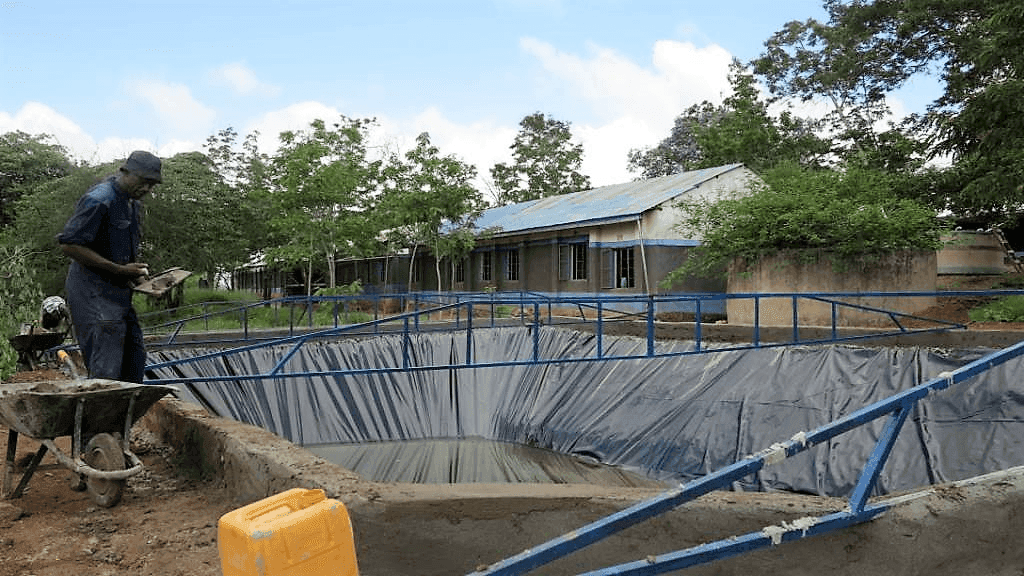
The answer: farm ponds – very simple but ingenious rescue ponds. People dig a trench about twelve meters long, six meters wide and three meters deep. A thick plastic sheet seals it so the water cannot seep away. A frame of iron rods is then built over it and covered with a fabric mesh – so malaria mosquitoes cannot establish a breeding site nearby.
When it then rains, the water flows directly into the pond. A foot-pedal pump is used to pump it into a slightly elevated storage tank. From there it flows by gravity to school gardens or tree plantations – for watering, or into jerry cans or buckets.
The catch: these ponds cost around 5,000 euros. For simple villages, that is impossible to raise. That is why German schools step in – with “help toward self-reliance” through sponsored runs or charity events. In the end, the whole school benefits: the tree seedlings survive, the environment benefits, and the children experience firsthand how water management works.