
About Kenya
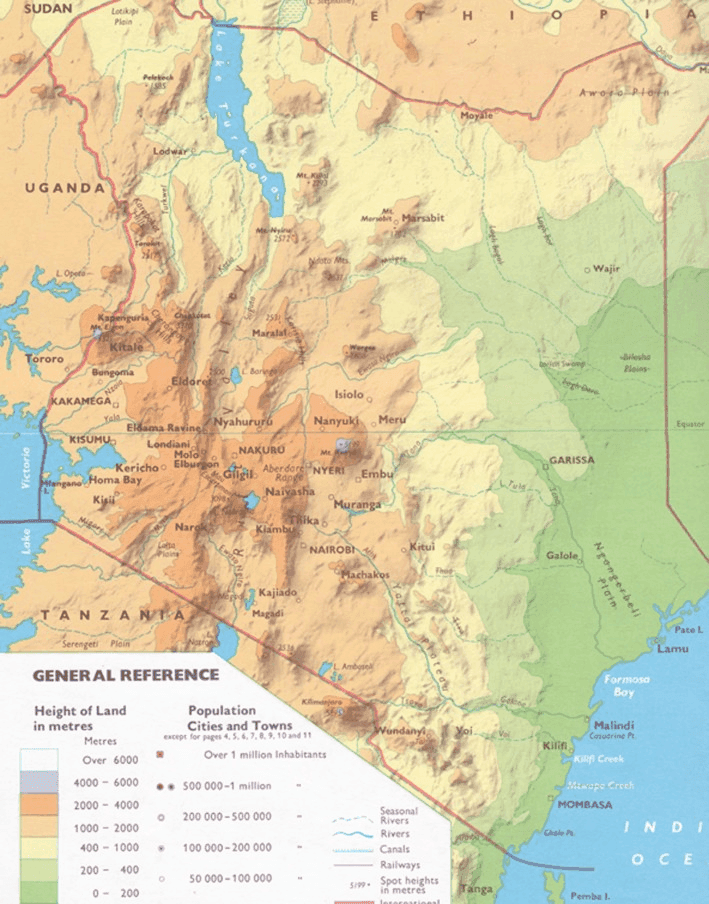
Kenya is located in East Africa, is more than one and a half times the size of Germany, and has around 57.7 million inhabitants. The country is characterized by highlands, savannas, semi-deserts and Lake Victoria. The population is unevenly distributed, with dense settlement in the highlands and very sparse settlement in the north.
Statistical Overview
With an area of 580,367 km², Kenya is more than one and a half times the size of Germany. By contrast, the total population is around 57.7 million, roughly 70 % of Germany's. The average population density is 100 inhabitants/km² (Germany: 234 inhabitants/km²).
More revealing than this average is the population distribution: while the central highlands and the area around Lake Victoria have 200–500 inhabitants/km², population density in the northern and northeastern parts of the country falls below 5 inhabitants/km².
Natural Conditions
Natural conditions, historical influences – above all during the British colonial era (transport development) – and the current political and economic situation (the sphere of influence of the capital Nairobi, with 4.7 million inhabitants) shape the country's contrasts.
The flat coastal strip stands in contrast to the highlands with the East African Rift Valley. Thorn savanna areas and semi-deserts in the north cover more than half of the country's land area.
Drought and Water Supply
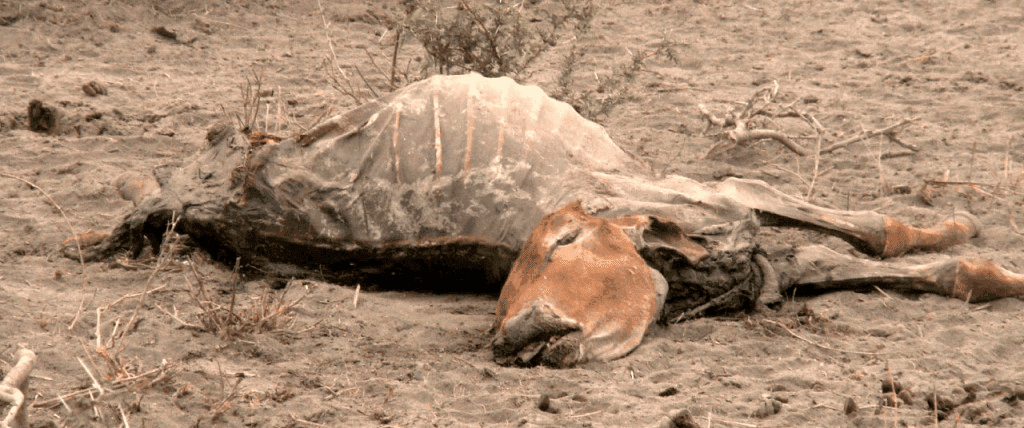
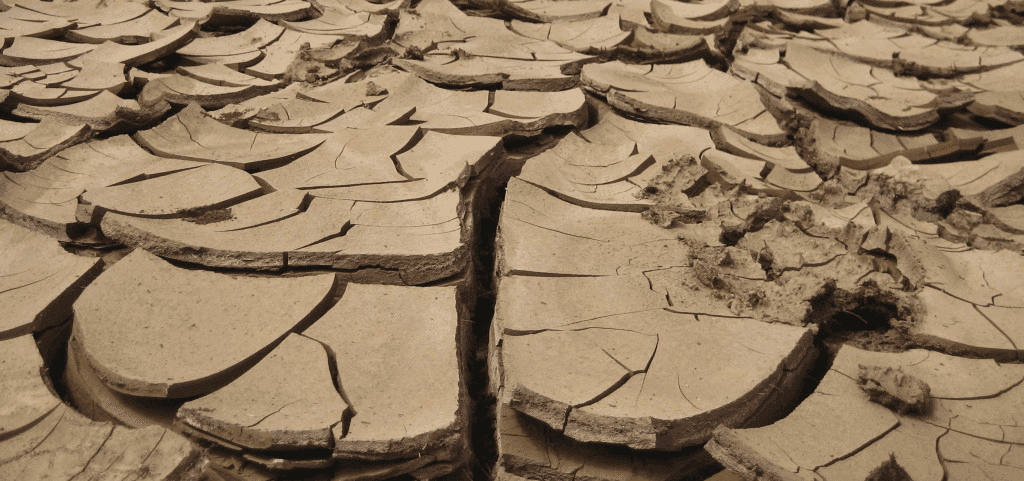
The seasonal distribution of rainfall reflects the influence of the rain-bearing southeast trade winds, with the two rainy seasons in March/April and October, and the dry northeast trade winds in January/February and July/August. Over the past ten years the situation has worsened dramatically due to repeated failures of the long rainy season (2006, 2008, 2009, 2011). More than 3.8 million people depend on aid to survive. Numerous livestock herds of the semi-nomadic tribes, their livelihood, have already perished in many places. Water sources have frequently dried up. Water supply in the drought-affected areas has taken on dramatic proportions.
Climate Change Has Arrived in East Africa
“Every three to four years, a drought sweeps over East Africa. Like a shroud, it settles over the African savanna. Grass, bushes and trees wither, water sources dry up. The livestock herds grow thin or die. The men drive the cattle into the rainier mountains. Women, children and the elderly are left behind. The daily journeys to fetch life-sustaining drinking water become longer and more arduous, around 15 kilometers long. Now the 13- to 17-year-old girls have to give up school and fetch water for the family every day: fetching water instead of school.”
The water shortage problem becomes an education shortage problem.
Life Stories
Meet four children from Kenya and learn more about their everyday lives.
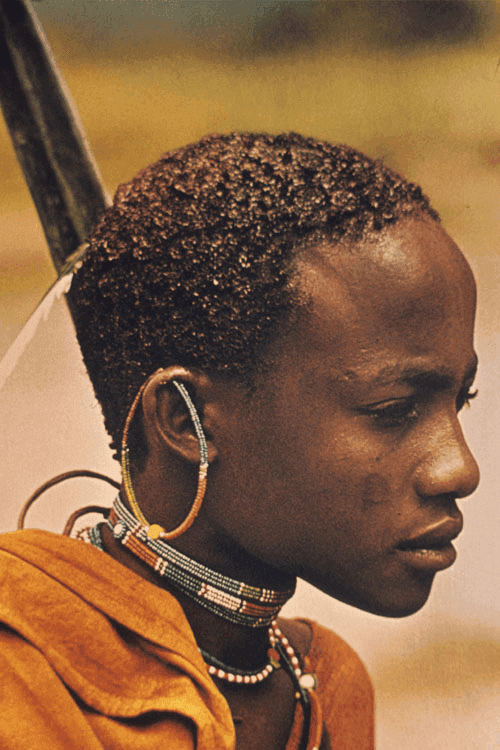
Simare
12 years old
Read more
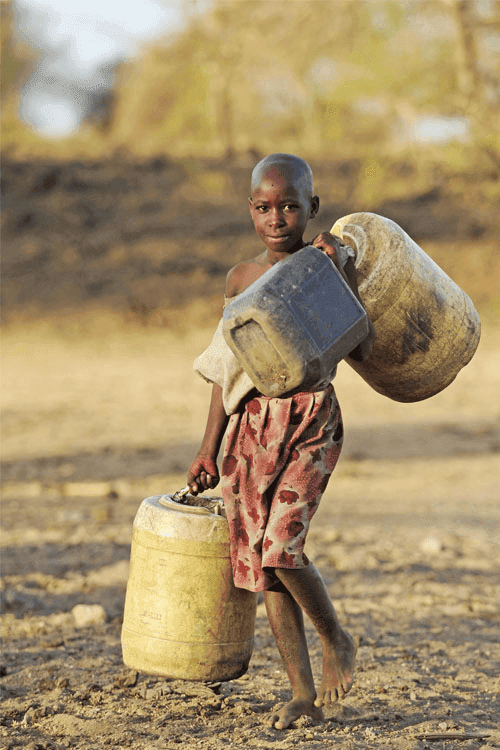
Nosim
11 years old
Read more
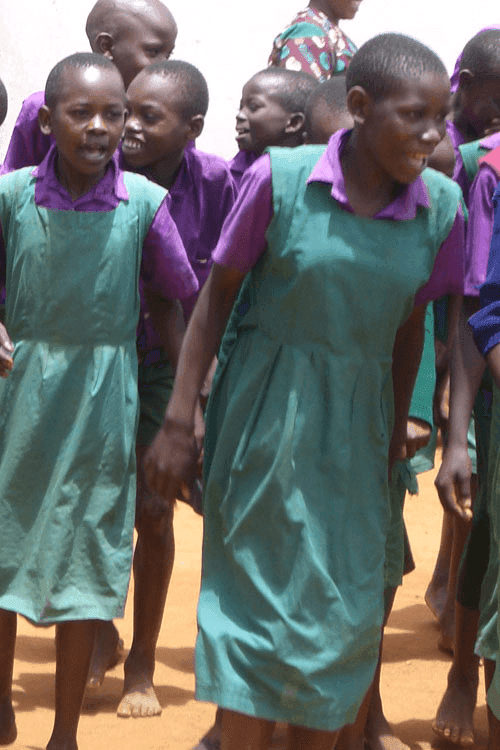
Naomie
17 years old
Read more
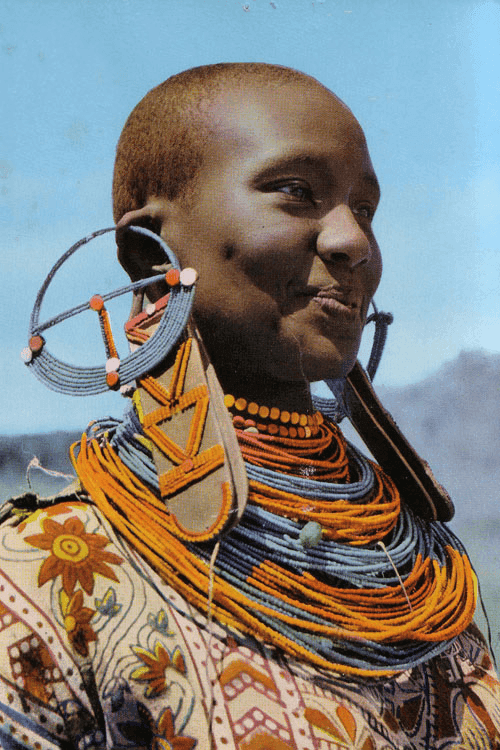
Nariku
24 years old
Read more
Water for Janet and Felicitas
We had a short film (14 min) made by a Kenyan filmmaker – Beryl Magoko. It shows the life of two Maasai girls in southern Kenya near the Tanzanian border.
The film was funded by www.bingo-umweltstiftung.de
Watch the film